
What Is AI Visibility SEO 2026?
AI visibility SEO is the work of making a website easy for search engines and AI-powered search tools to find, understand, and use as a helpful source.
In 2026, people can discover a website through normal search results, Google AI Overviews, Google AI Mode, ChatGPT Search, Perplexity, and other answer tools. AI visibility SEO supports all of these discovery paths. It does not replace traditional SEO. It builds on the same foundation: useful content, clear website structure, crawlable pages, working links, and accurate information.
How Is AI Visibility Different From Traditional SEO?
Traditional SEO mainly focuses on helping a page appear in search results. AI visibility also considers whether an AI-powered search experience can understand the page and show it as a supporting source.
| Area | Main purpose |
|---|---|
| Traditional SEO | Help a page appear in standard search results. |
| AI visibility | Help a page become understandable and usable as a source in AI-powered results. |
| Technical SEO | Help crawlers access, process, and index the page. |
| Content quality | Give users a complete, accurate, and useful answer. |
These areas work together. A page that cannot be crawled or indexed will have fewer opportunities to appear in either normal or AI-powered search results.
What Does Google Require for AI Overviews and AI Mode?
Google says a page must be indexed and eligible to appear in Search with a snippet before it can appear as a supporting link in AI Overviews or AI Mode. Google does not require a special AI file, special AI schema, or a separate optimization method for these features. The normal SEO foundation still applies. 1
Important steps include:
- Allow Googlebot to crawl important pages.
- Keep important information available as readable text.
- Use internal links so users and crawlers can find related pages.
- Provide a good experience on mobile and desktop devices.
- Use structured data only when it matches the visible page content.
- Keep titles, descriptions, author details, and page information accurate.
Meeting these requirements does not guarantee inclusion. It only makes the page eligible for consideration.
How Do ChatGPT and Perplexity Find Websites?
Different services use their own search crawlers.
| Service | Search crawler | Purpose |
|---|---|---|
| Google Search | Googlebot | Crawls pages for Google Search and its AI search features. |
| ChatGPT Search | OAI-SearchBot | Helps surface websites in ChatGPT search results. |
| Perplexity | PerplexityBot | Helps surface and link websites in Perplexity results. |
OpenAI states that OAI-SearchBot controls appearance in ChatGPT search, while GPTBot is a separate crawler used for possible model training. A website can allow one and block the other. 5
Perplexity recommends allowing PerplexityBot in robots.txt and through any firewall or security service used by the website. 6
A crawler must also receive the real page. A security challenge, server error, login screen, empty JavaScript shell, or blocked request can prevent the service from reading the main content.
How to Improve AI Visibility SEO
1. Answer a Real Question Completely
Choose a question that matches the purpose of your website. Give the direct answer near the beginning, then explain the details users need to act on that answer.
A useful page should leave the reader with a clear result. It should not make the reader open several other pages just to understand the basic topic.
2. Add Information That Is Truly Yours
A page becomes more useful when it contains something beyond a summary of other websites. Original value may include:
- First-hand experience.
- A real test and its results.
- Original screenshots or examples.
- A clear explanation based on practical work.
- A comparison made with stated criteria.
- Correctly sourced facts and quotations.
- A useful tool, template, checklist, or calculation.
Google’s 2026 guidance recommends valuable, non-commodity content with a unique point of view. It warns against publishing many common summaries that add no meaningful insight. 2
3. Use a Clear Page Structure
Use one descriptive main title. Divide the article into sections with headings that explain what each section contains. Keep paragraphs focused on one point. Use a list or table only when it makes information easier to understand.
Do not repeat the same answer under several headings. A longer article is not automatically a better article. Every section should help the reader complete the purpose of the page.
4. Make the Main Content Easy to Crawl
The main answer should be present in the page HTML and available without a login. Check that:
- The page returns a successful HTTP response.
robots.txtdoes not block the required crawler.- The page does not contain an unintended
noindexdirective. - The canonical URL points to the preferred version.
- Important pages appear in the XML sitemap.
- The server does not show a security challenge to legitimate crawlers.
5. Keep Internal Links Accurate
Internal links help users and crawlers reach related information. Every recommended article link should open the correct page. Remove or repair links that lead to a 404 error.
Use link text that clearly describes the destination. Avoid creating several URLs for the same page unless the duplicate versions point to one preferred canonical URL.
6. Use Accurate Metadata and Structured Data
Write a title and description that match the visible content. Do not place keywords in them that the article does not answer.
Structured data can describe an article, author, organization, product, or other supported item. It must match what users can see on the page. Google states that no special schema is required for AI Overviews or AI Mode. 1
7. Show Who Created the Content
Use an accurate author name and provide useful background when readers would expect it. Link to an About page that explains the purpose of the website. Provide a working contact method.
For factual topics, link important claims to reliable primary sources. Clear sourcing helps readers check the information for themselves.
What Content Should Be Avoided?
Avoid publishing pages that exist mainly to target search phrases instead of helping users. Examples include:
- Filler text that does not answer the title.
- Copied or lightly rewritten articles.
- Several pages that answer the same question with small keyword changes.
- Unsupported claims presented as facts.
- Keyword lists repeated inside paragraphs.
- Automatically generated pages published without accuracy checks or useful additions.
- Old articles given a new date without a meaningful update.
- Pages with broken navigation or missing main content.
Google defines scaled content abuse as creating many unoriginal pages mainly to manipulate rankings rather than help users. The rule applies whether the pages were produced by people, automation, or generative AI. 4
AI-assisted writing is not automatically prohibited. Google advises publishers to focus on accuracy, quality, relevance, and added value. 3
How Can AI Visibility Be Measured?
There is no single score that proves a website is visible in every AI system. Measure real outcomes instead.
- Use Google Search Console to monitor impressions, clicks, pages, and search queries. Google reports traffic from AI Overviews and AI Mode within the Web search type.
- Check analytics for visits from AI search services.
- Test important questions in the AI search products used by your audience and record whether your page is linked as a source.
- Monitor whether visitors read the page, complete an action, subscribe, contact you, or use the information successfully.
- Review server logs to confirm that approved search crawlers can access important pages.
A mention without useful traffic or user action may have limited business value. Measurement should connect visibility with a real website goal.
AI Visibility SEO Checklist for 2026
Before publishing, confirm that:
- The page answers one clear user need.
- The title accurately describes the article.
- The content provides original value beyond common summaries.
- Important facts are accurate and properly sourced.
- The author and website purpose are clear.
- The page works on mobile and desktop devices.
- The main content is readable and crawlable.
- Internal links open the correct pages.
- The page is indexable and has the correct canonical URL.
- Structured data matches the visible content.
- The page does not repeat another article on the same website.
- The article was reviewed before publication.
Frequently Asked Questions
Does AI visibility SEO replace traditional SEO?
No. AI visibility uses the same basic foundation as traditional SEO: crawlability, indexability, useful content, clear structure, and a good user experience.
Is an llms.txt file required for Google AI Overviews?
No. Google states that special AI text files are not required for Google Search or its generative AI features. 1
Is special AI schema required?
No. Google does not require special schema for AI Overviews or AI Mode. Use normal supported structured data when it accurately represents the visible page.
Can AI-generated content appear in search?
The method used to create content is not the main issue. The finished page must be accurate, useful, original, and created for users. Publishing many low-value generated pages may violate Google’s scaled content abuse policy.
Does following every step guarantee an AI citation?
No. Search and AI systems decide which sources are relevant for each question. Good SEO makes a page accessible and eligible, but it cannot guarantee a ranking, mention, or citation.
Official References

I am Kashi Ahmer, founder of Ahmer.gitapp.si. I share simple guides and tools about AI Visibility Checker, SEO, AEO, GEO, schema markup, AI citations, and AI search optimization to help users improve their website visibility in search engines and AI platforms. For feedback or questions, contact me at ahmer@gitapp.si.
Related Posts
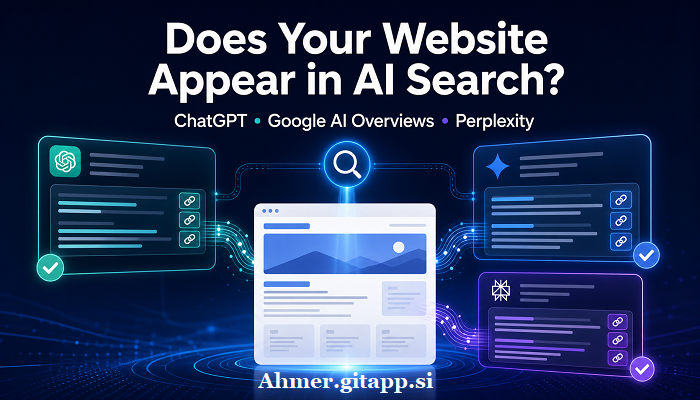 How to Check If Your Website Appears in ChatGPT, Google AI Overviews, and Perplexity
 ChatGPT Free Online Guide: Login, App, Download, Search and Safe Use
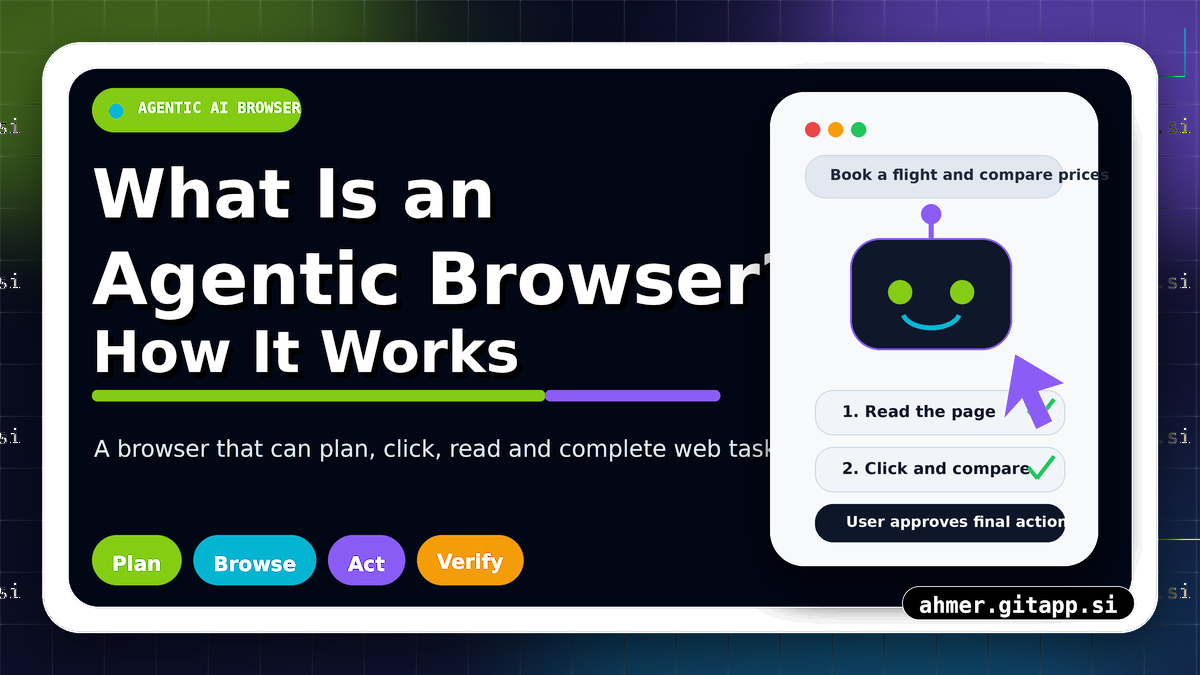 What is an agentic browser and how does it work?
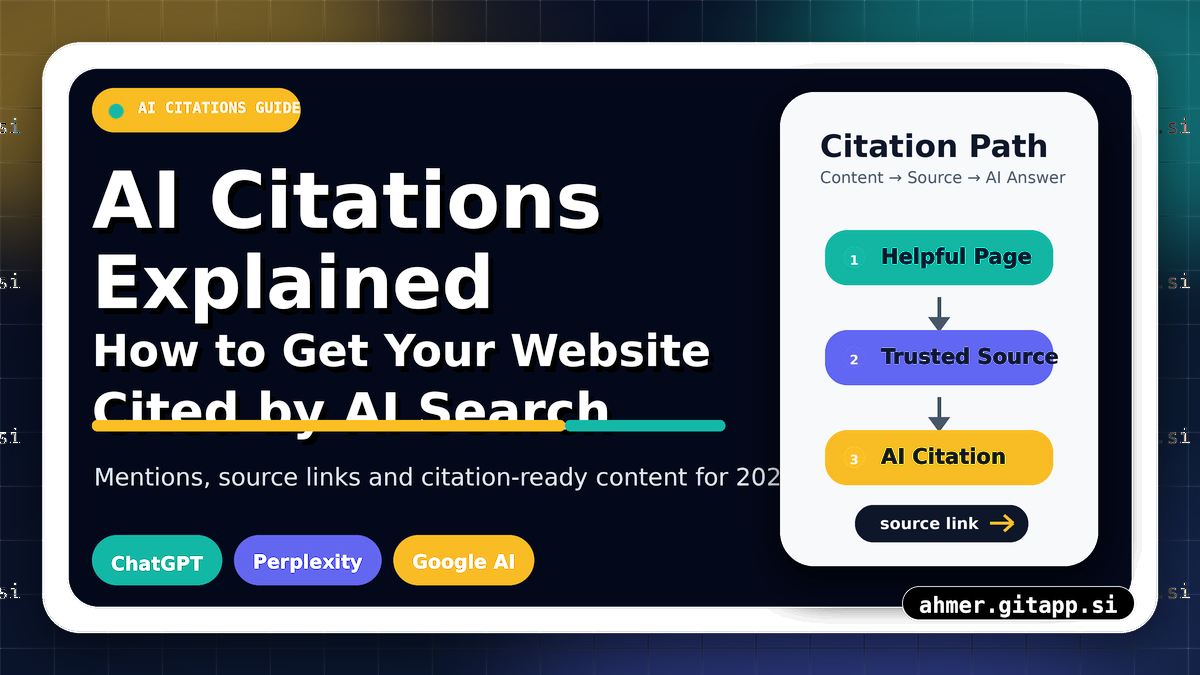 AI Citations Explained: How to Get Your Website Cited by ChatGPT, Perplexity and Google AI Overviews.
Leave a Comment
No comments yet — be the first to comment!